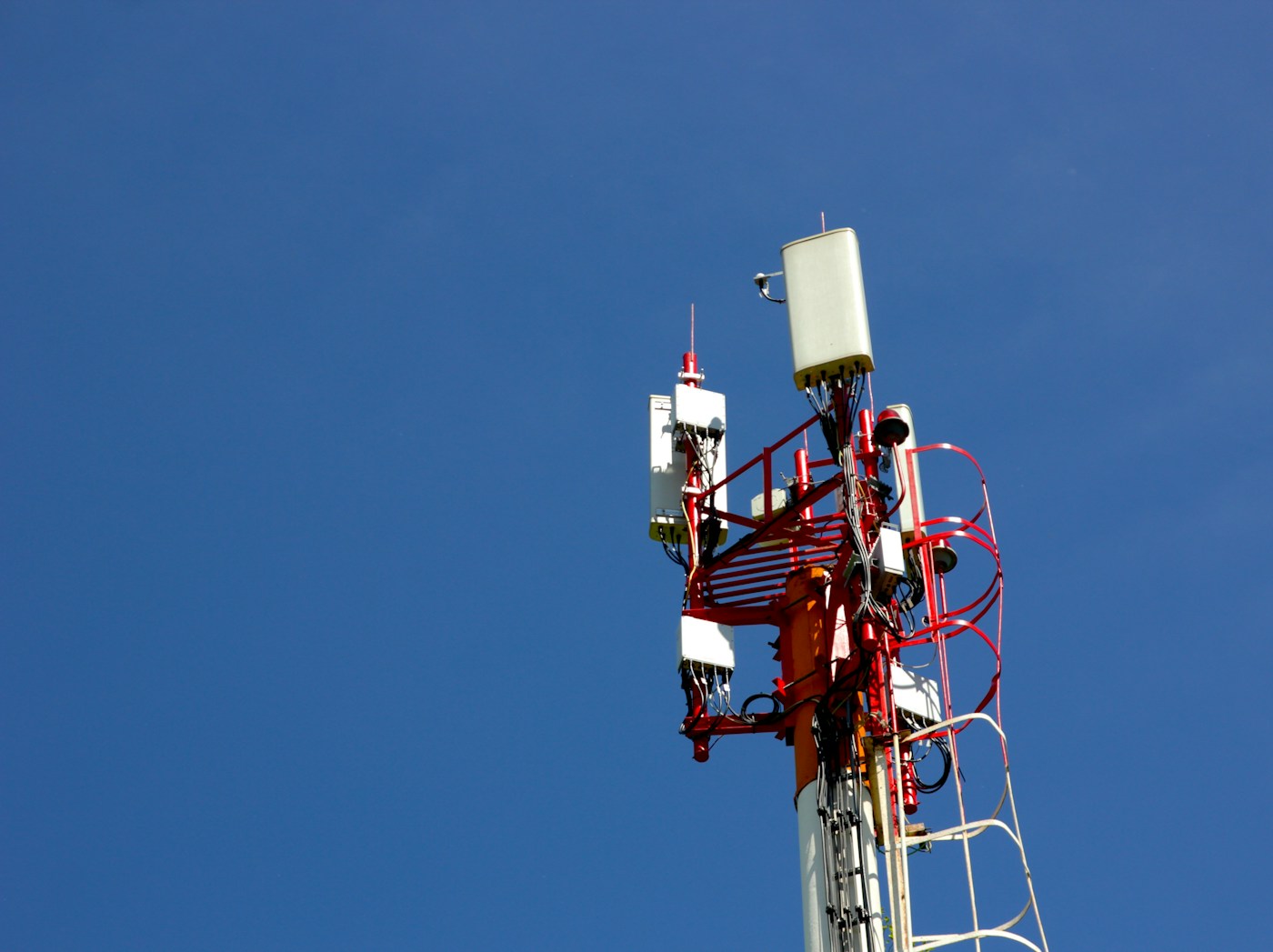
 Telecom
Telenor
Thunder
Product engineering for Telenor Pakistan's Thunder platform — building at telecom scale for a leading mobile operator.
View case study

Modernising medical information systems for an NHS Trust — streamlining data flows toward integrated electronic health records.
EPUT faced obstacles across its medical information estate: weak integration, accumulated complexity, maintenance difficulty, knowledge lost during staff transitions, and workflows that slowed clinicians down.
EPUT's medical information systems consisted of a mix of legacy and new systems developed by different teams and vendors, resulting in a fragmented and loosely integrated system.
Multiple legacy systems and post-processing tools created significant complexity, compounded by insufficient documentation and a fragmented platform approach.
Senior staff departures caused institutional knowledge loss. Poor documentation made it hard for new employees to understand legacy systems, while qualified medical informatics professionals were scarce.
Outdated forms-based systems made data entry cumbersome, reducing the productivity of healthcare professionals and affecting quality of care.
A comprehensive assessment of the existing estate, identifying areas for improvement and prioritising streamlined data flows and integrated EHR implementation.
Partnerships with experienced healthcare IT vendors bringing genuine medical informatics expertise.
Replacement of legacy components with standardised solutions to reduce long-term complexity.
Documentation improvements and knowledge-transfer initiatives to protect against future staff transitions.
Streamlined data flows and better integration minimised data inconsistencies across systems.
Modernised systems with proper documentation made future upgrades and day-to-day management simpler.
Efficiency gains gave healthcare professionals more room to focus on delivering quality care.
Better information systems supported innovation and evolution within healthcare services.
Book a no-pressure discovery call. We'll listen, ask the right questions, and come back with a clear plan — usually within 48 hours.